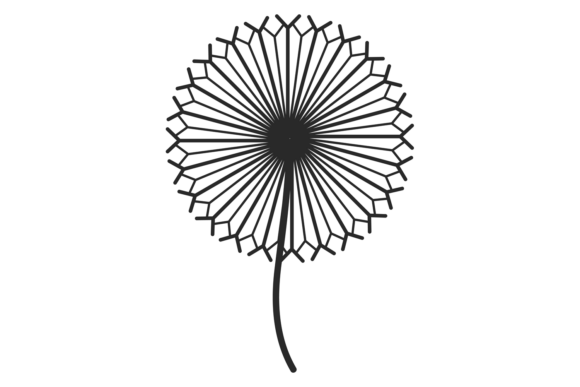
Dandelion Decorative Element. Graphics & Illustrations
The Dandelion Decorative Element. Flower Hea is a versatile graphic design asset that brings a soft, whimsical touch to any creative project. Its clean, isolated style makes it ideal for branding, marketing, and content creation. The flower head, rendered as a blowball icon on a white background, offers a modern yet organic feel that can elevate a variety of visual materials.
First Impressions: A Whimsical Mood for Branding
From the first glance, the Dandelion Decorative Element. Flower Hea evokes a sense of lightness and playfulness. It’s perfect for brands targeting a youthful, nature-inspired, or lifestyle-oriented audience. This design element can help create a warm, inviting mood that resonates with customers looking for authenticity and simplicity. Whether used in a seasonal campaign or a product launch, it adds a touch of charm without overwhelming the viewer.
Its minimalistic approach also makes it adaptable for both casual and premium branding. It can support handmade products, eco-friendly services, or even high-end lifestyle brands that want to incorporate a natural aesthetic into their visuals.
Real-World Marketing Applications
In practical terms, the Dandelion Decorative Element. Flower Hea can be integrated into multiple aspects of a brand's visual identity. For instance, in brand identity projects, it can serve as a subtle accent in logos, stationery, or packaging designs. When paired with a strong typography, it helps maintain visual balance while adding a unique personality to the brand.
For social media graphics, this asset can act as a header, a post divider, or a decorative element in Instagram posts, Facebook ads, or Pinterest pins. Its versatility allows it to fit into Canva templates, digital ads, or blog graphics without clashing with other design elements.
It also works well in editorial design, where it can be used as a section divider, a background overlay, or a decorative brand element in newsletters or magazines. In web design, it can enhance website headers or email banners, making them more engaging and visually appealing.
Supporting Marketing Goals with Visual Consistency
One of the key strengths of the Dandelion Decorative Element. Flower Hea is its ability to reinforce visual consistency across a brand’s content. By using a cohesive set of design assets, brands can build stronger recognition and trust with their audience. This element can help establish a clear visual hierarchy, guiding the viewer’s eye through a campaign while maintaining a professional appearance.
When used in content marketing, it can make blog graphics, lead magnets, or printable promotions more attractive and memorable. It also supports better product presentation by adding a decorative touch to packaging inserts, digital product visuals, or merchandise designs.
Best Use Cases: Where the Design Thrives
The Dandelion Decorative Element. Flower Hea excels in scenarios where a soft, natural aesthetic is desired. It’s ideal for hero graphics, campaign headers, and product launch visuals that need to capture attention without feeling cluttered. As part of a design bundle or a creative marketplace asset, it can add value to a brand’s content kit or Canva template collection.
It also fits well in branded templates, social media covers, and packaging accents. In content bundles or promotional banners, it can serve as a decorative brand element that enhances the overall look and feel of the material.
Caution Areas: When to Avoid Overuse
While the Dandelion Decorative Element. Flower Hea is highly adaptable, it may not suit every branding scenario. In formal corporate branding, where minimalism and professionalism are key, this element could appear too playful or distracting. Similarly, in dense information layouts, it might compete with the main message rather than support it.
On small mobile screens, the design may lose clarity, so it’s important to test it at various sizes. Low-contrast backgrounds or overly minimal brands may also dilute its impact. In text-heavy ads or designs where the focus should be on copy, this element should be used sparingly to avoid visual noise.
Practical Designer Notes: Testing and Integration
As a brand designer, it’s essential to test the Dandelion Decorative Element. Flower Hea within real campaign mockups. Ensure it aligns with the brand color palette and check how it looks in black and white. Preview it on mobile screens to confirm readability at smaller sizes.
Compare it against competitor visuals to ensure it stands out while maintaining a cohesive look. Test how it pairs with different font styles—serif, sans serif, script, handwritten, or display fonts—to find the best match for your brand’s voice.
Review spacing and balance to avoid overloading a design. Finally, always confirm the commercial license before using it in paid campaigns, client work, or business branding to ensure legal compliance.
Conclusion: A Valuable Addition to Creative Workflows
The Dandelion Decorative Element. Flower Hea is a powerful graphic design asset that can enhance a wide range of marketing and branding efforts. Whether you're launching a new product, refreshing social media visuals, or building a content kit, this illustration offers flexibility, emotional appeal, and visual consistency.
By understanding its strengths and limitations, content creators, small business owners, and designers can use it strategically to improve audience engagement, build brand recognition, and create visually compelling marketing materials. With proper integration and thoughtful application, this design asset can become a cornerstone of your creative toolkit.