Decorative Lantern. Traditional Old Glas Graphics
As a designer working on a seasonal campaign for a small handmade business, I was looking for a visual element that could add warmth and character to the branding without overpowering the design. Decorative Lantern. Traditional Old Glas caught my eye as a unique graphic design asset that could bring a sense of nostalgia and charm to the project. This illustration is more than just a pretty image—it’s a versatile tool that can enhance a wide range of creative design projects.
The First Impression
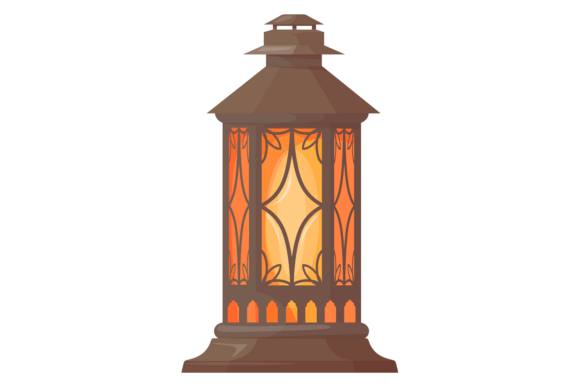
From the first glance, Decorative Lantern. Traditional Old Glas feels like a piece from a bygone era. The clean lines, soft shadows, and classic shape of the lantern create a warm, inviting mood. It’s an illustration that speaks to traditional craftsmanship and timeless aesthetics. This makes it ideal for brands that want to evoke a sense of history, authenticity, or artisanal quality.
The isolated white background gives it a professional look, making it easy to integrate into various design contexts. Whether used in packaging design, social media graphics, or editorial design, it maintains its clarity and visual impact. This simplicity also allows it to work well with different color schemes and design styles.
Real-World Design Applications
In a real client project, Decorative Lantern. Traditional Old Glas could serve as a key visual element in a variety of formats. For example, in a brand identity system, it could be used as a logo mark or a decorative accent in stationery, packaging, or promotional materials. Its vintage feel pairs well with handwritten fonts or serif typefaces, adding a touch of elegance to any design.
For a print-on-demand seller or an Etsy product launch, this design asset could be a valuable addition to a design bundle. It works well as a t-shirt design, mug graphic, or sticker design, especially for products targeting a nostalgic or rustic aesthetic. Its vector format (SVG) ensures scalability, while the transparent PNG version allows for flexible placement on different backgrounds.
In digital marketing, Decorative Lantern. Traditional Old Glas could be used as a hero graphic on a website, a Pinterest pin, or a social media post. Its strong visual presence makes it perfect for campaigns focused on seasonal themes, holiday promotions, or themed collections. It also adds a layer of sophistication to Canva templates or Cricut projects, offering a ready-made design element that users can customize easily.
Where It Shines
This design asset excels in large layout areas, where its intricate details can be fully appreciated. It works well as a product mockup element, especially for items like candles, home decor, or collectibles. As part of a themed collection, it can help unify a set of designs under a consistent visual language.
It also serves as a great supporting brand element in campaigns that require a warm, welcoming tone. Whether used in packaging design, editorial spreads, or commercial design, it adds a sense of authenticity and visual interest that can elevate the overall presentation.
Where to Use with Caution
While Decorative Lantern. Traditional Old Glas is a strong visual element, it may not be suitable for every design context. In small sizes, the details can become lost, making it less effective. Similarly, in crowded layouts or complex backgrounds, it may clash with other elements and disrupt the visual hierarchy.
For minimalist branding or professional corporate materials, this design might feel too ornate or outdated. It’s best suited for projects that embrace a more traditional or artisanal style rather than a modern, clean aesthetic. In such cases, a simpler icon or a more abstract graphic might be a better fit.
Impact on Design Quality
When used appropriately, Decorative Lantern. Traditional Old Glas can significantly improve the emotional appeal and visual trust of a design. Its warm, nostalgic feel can help connect with audiences who value craftsmanship and authenticity. This is especially important for handmade businesses or small business branding that relies on storytelling and emotional engagement.
It also contributes to a stronger sense of brand recognition. By incorporating a unique, recognizable icon like this lantern, a brand can create a visual signature that stands out in a competitive market. This is particularly useful for print-on-demand sellers or digital product creators looking to differentiate their offerings.
Practical Designer Notes
Before using Decorative Lantern. Traditional Old Glas for a client project, I always recommend testing it in black and white to see how it holds up without color. Checking contrast on both light and dark backgrounds is also essential, especially if it will be used in web design or digital ads.
Previewing it at different sizes helps ensure that it remains legible and visually appealing across various platforms. Placing it on real mockups—whether for a product label, t-shirt, or social media post—can give a better sense of how it will perform in practice.
Reviewing file formats is another crucial step. If the design includes a transparent PNG, make sure the edges are clean and free of artifacts. For SVG designs, confirming editability in vector software like Adobe Illustrator or Inkscape is important for customization. Comparing it with different font styles can also help determine the best pairing for the project.
Finally, always verify the commercial license before using the asset for a client or business project. This ensures that there are no legal issues down the line, especially when the design is part of a larger commercial design or print-on-demand product.
Conclusion
Decorative Lantern. Traditional Old Glas is a thoughtful and versatile graphic design asset that can add character and depth to a wide range of creative projects. Whether used in branding, packaging, or digital marketing, it brings a sense of tradition and warmth that can resonate with audiences. For designers working on handmade businesses, seasonal campaigns, or print-on-demand products, this illustration offers a valuable tool to enhance visual storytelling and brand identity.