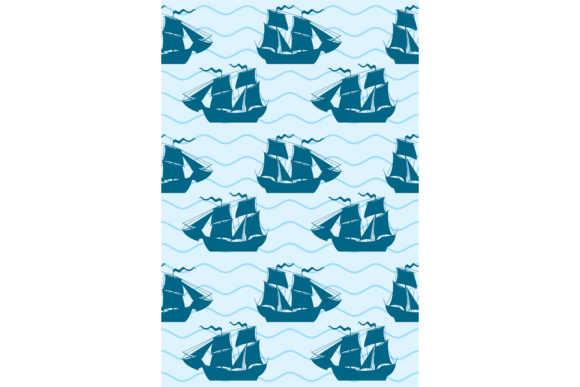
Sailing Ship Decorative Pattern. Graphics
The Sailing Ship Decorative Pattern offers a unique blend of artistic flair and functional design, making it a compelling graphic design asset for a variety of editorial and web publishing needs. Its seamless marine background evokes a sense of adventure and tranquility, perfect for content that leans into lifestyle, travel, or creative industries. The vector illustration in EPS, JPG, and SVG formats ensures versatility across digital platforms, from website headers to social media graphics.
First Impressions: A Visual Mood for Content Creation
Upon first glance, the Sailing Ship Decorative Pattern exudes a timeless, nautical charm that feels both nostalgic and modern. It’s ideal for content niches like travel blogs, maritime-themed publications, or lifestyle websites looking to add a touch of elegance without overwhelming the viewer. The pattern’s soft lines and subtle textures suggest a lifestyle-focused approach, blending creativity with a professional edge. It can easily support content that aims to feel inviting, artistic, and visually cohesive.
This design asset is particularly effective when used in editorial design where visual storytelling matters. Whether as a blog graphic or a Pinterest pin, it adds a layer of sophistication that elevates the overall aesthetic of any content piece.
Real-World Publishing Applications
The Sailing Ship Decorative Pattern can be seamlessly integrated into multiple publishing workflows. For bloggers, it works well as a featured image, article header, or category thumbnail, helping to establish a consistent brand identity across the site. When used in social media graphics, it enhances the visual appeal of posts, making them more shareable and engaging.
For digital product creators, this pattern can serve as a printable design for downloadable resources such as worksheets, eBook covers, or Canva templates. It also makes an excellent lead magnet, offering a premium feel to content upgrades that drive engagement and email sign-ups.
In affiliate marketing, the pattern can be used in ad creatives, landing pages, or promotional banners to create a more polished and trustworthy appearance. Its clean, seamless nature ensures it doesn’t distract from the core message, while still adding visual interest.
Supporting Content Performance
Using the Sailing Ship Decorative Pattern can significantly enhance content performance by improving visual hierarchy and reader trust. A well-designed graphic can make a first impression stronger, encouraging users to engage with the content rather than scroll past it. This is especially important for blog posts, newsletters, and social media content where attention spans are short.
Its ability to reinforce brand identity helps create a more professional-looking website, which in turn builds credibility with readers. Consistent use of the pattern across different content types—such as article headers, website banners, and downloadable guides—creates a cohesive visual system that supports long-term audience retention.
Where It Works Best
The Sailing Ship Decorative Pattern shines in hero images, article thumbnails, and Pinterest pins where visual impact is key. It also serves as an effective editorial accent, adding depth to layouts without overwhelming the text. For content upgrades and downloadable resources, it provides a polished finish that enhances the perceived value of the digital product.
As a newsletter header or social media preview, it creates a strong visual anchor that draws the eye and encourages clicks. Its seamless nature makes it ideal for backgrounds in Canva templates, ensuring it scales well across different sizes and formats.
Where to Use It Carefully
While the pattern is versatile, it may not be the best choice for small mobile thumbnails, where intricate details can get lost. In text-heavy blog images, it could compete with the main message, so it’s best used sparingly or in combination with simpler elements.
For serious professional niches or corporate content, the pattern might feel too decorative. Similarly, in low-contrast backgrounds or busy layouts, it could become distracting. It’s important to test it in different contexts to ensure it aligns with the overall design strategy.
Publisher Notes: Testing and Implementation
Before using the Sailing Ship Decorative Pattern in real publishing projects, it’s essential to test it on both desktop and mobile screens. Check how it looks as a thumbnail, inside a blog layout, and alongside headline text. Ensure the contrast and readability are sufficient, especially if text will be overlaid on the pattern.
Try the design in black and white to see how it holds up without color. Place it beside different font styles—serif, sans serif, script, handwritten, and display—to evaluate its compatibility with your typography choices. Also, review the file size for web performance and compress images where necessary to maintain fast load times.
Finally, confirm the commercial license before using it on monetized websites, affiliate pages, or paid content products. This ensures you’re fully compliant and can use the graphic design asset without legal concerns.
Conclusion: A Versatile Asset for Creative Publishing
The Sailing Ship Decorative Pattern is a valuable addition to any designer’s or publisher’s toolkit. Whether used in blog graphics, editorial design, or social media visuals, it brings a refined, artistic touch that enhances the overall quality of content. Its seamless nature and multiple format options make it adaptable for a wide range of applications, from website headers to digital guides.
By thoughtfully integrating this graphic design asset into your workflow, you can elevate your brand identity, improve reader engagement, and create more professional-looking content that stands out in a competitive digital landscape.