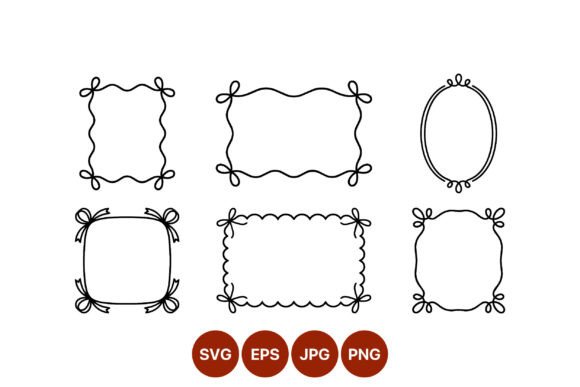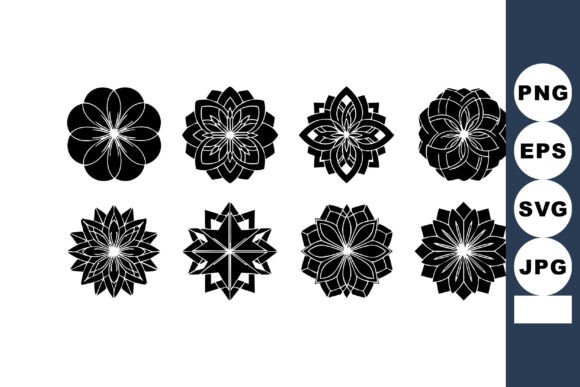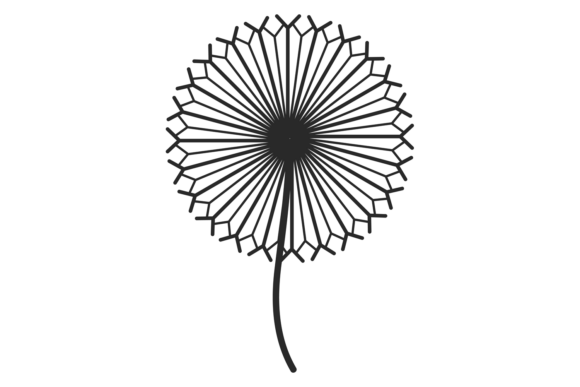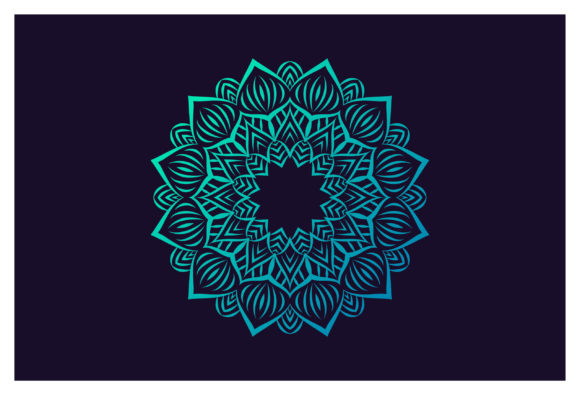
Decorative Hand Drawn Mandala Element
As a designer who regularly works on branding, packaging, and marketing visuals, I always look for design assets that bring character and authenticity to a project. The Decorative Hand Drawn Mandala Element is one such graphic that offers a unique visual language, especially when working with handmade brands, seasonal campaigns, or creative marketplaces like Etsy.
First Impressions: A Visual Mood Setter
The Decorative Hand Drawn Mandala Element immediately evokes a sense of artistry and mindfulness. Its organic lines and intricate patterns create a warm, inviting aesthetic that feels handcrafted rather than mass-produced. This makes it ideal for projects that aim to convey a personal touch, whether it's for a small business, a boutique product line, or a local event promotion.
The four different styles included in the design bundle offer flexibility, allowing designers to choose the right tone for their client’s brand. From subtle, minimalist versions to bold, detailed illustrations, there’s something here for various creative directions.
Real-World Applications: Where It Shines
In real design situations, the Decorative Hand Drawn Mandala Element can be a powerful tool. For logo design, it adds a unique flair that stands out from generic clipart. In brand identity work, it can serve as a recurring motif that reinforces a cohesive visual language.
For product labels, packaging design, or sticker design, this element brings a level of sophistication that feels authentic. It also works well in t-shirt design, mugs, and tote bags, where a decorative touch can elevate a simple item into a collectible piece.
When used in social media graphics or blog visuals, the mandala element can act as a focal point that draws attention without overwhelming the message. It’s particularly effective in Canva templates or Cricut projects, where users need quick yet stylish design solutions.
Best Use Cases: Large Layouts and Themed Projects
This design asset excels in large layout areas, such as hero graphics, product mockups, or editorial spreads. Its intricate details make it perfect for creating visual interest in themed collections or campaign visuals. When used as a background for print design, it adds depth and texture that can’t be achieved with basic shapes or solid colors.
It also shines in printable designs, such as wall art or stationery, where the hand-drawn quality enhances the overall aesthetic. For digital ads, Pinterest pins, or Instagram posts, the mandala element can provide a visually rich backdrop that supports the content without distracting from it.
Where to Use It Carefully: Minimalist and Corporate Designs
While the Decorative Hand Drawn Mandala Element is versatile, it’s not suitable for every project. In minimalist branding or professional corporate materials, its complexity may clash with clean, modern design principles. Similarly, in low-contrast or crowded layouts, it could reduce readability and visual hierarchy.
For projects that require strict brand consistency or a very clean visual hierarchy, this element might need careful placement. It’s best used as a supporting brand element rather than the main focus.
Impact on Design Quality: Readability, Trust, and Engagement
One of the key considerations when using any graphic design asset is how it affects the overall impression of a project. The Decorative Hand Drawn Mandala Element, when used appropriately, can enhance emotional appeal and audience engagement. Its handcrafted feel builds trust and creates a more relatable brand image.
However, it’s important to test it in black and white to ensure it doesn’t lose its impact. Checking contrast on both light and dark backgrounds is also essential, especially if the design will be used across multiple platforms or printed materials.
Practical Designer Notes: What to Check Before Use
Before incorporating the Decorative Hand Drawn Mandala Element into a client project, I always recommend testing it at different sizes. At small scales, the details may become too fine, while at larger sizes, they can add significant visual weight. Previewing it on real mockups helps determine how it interacts with other design elements.
Reviewing file formats is also crucial. The high-quality JPG and PNG files provided are suitable for most digital and print applications, but if the project requires vector editing, checking for SVG design compatibility is a must. Inspecting PNG transparency, if included, ensures it blends well with different backgrounds.
Comparing it with various font styles—serif, sans serif, script, or display fonts—can help find the right balance between text and imagery. Lastly, confirming commercial licensing is non-negotiable when using the asset for a client or business project.
Final Verdict: A Useful Creative Asset for the Right Project
The Decorative Hand Drawn Mandala Element is a valuable addition to any designer’s toolkit, especially for those working on handmade businesses, small business branding, or creative marketplaces. Its hand-drawn quality and variety of styles make it adaptable for a wide range of design assets, from printable designs to sublimation design and beyond.
While it may not fit every project, when used thoughtfully, it can elevate the visual mood and add a layer of authenticity that resonates with audiences. Whether you're designing for an Etsy product, a print-on-demand seller, or a seasonal campaign, this element has the potential to make your work stand out in a competitive creative marketplace.